How to build self-discipline around a meaningful action
A clear next step, workable conditions and a review of attempts


The takeaway
Choose one meaningful action, prepare the conditions and review several attempts. Adjust the plan using observations, your workload and available resources.
Self-discipline can be understood as supporting a chosen action when other wishes and commitments compete with it. A practical starting point is a meaningful outcome, a manageable next step and conditions in which you can actually take that step.
Results also depend on knowledge, support, available time, health and circumstances. One completed or abandoned plan cannot tell you everything about a person's character. Examining the particular attempt gives you something more useful to work with.
Choose an action worth repeating
Clarify why the outcome matters and what would count as progress. “Become more disciplined” is difficult to assess. “Prepare one paragraph of an application on two occasions this week” gives you an observable action. That frequency and amount are illustrative; adapt them to the work.
Separate the desired result from the next activity. If a plan contains many steps, use the distinction between a goal, project, task and habit. Sometimes you first need information or someone else's decision. More effort alone will not remove that dependency.
If you want to recover interest in the activity itself, examine the conditions around intrinsic motivation: what you enjoy, which choices are available and what support you need. That is a separate question from organising a repeated action.
Consider the role of habits
Across six studies by Galla and Duckworth, beneficial habits helped statistically explain relationships between self-control and academic outcomes or other behaviours. This supports paying attention to repeated actions, but does not establish that any particular routine will cause success.
Notice what happens before a workable start: the file is already open, the first question is clear or a meeting-free period is available. Use those observations when setting up the next attempt. Our guide to how habits form explains repetition and context in more detail.
Change the conditions before the moment of choice
A review by Duckworth, Gendler and Gross describes selecting and modifying situations in advance. This research model of self-control brings the environment into the picture alongside effort at the moment of distraction.
Try a small experiment. Before working on an application, place its requirements beside the draft and choose one section to complete. If notifications repeatedly interrupt you, arrange a quieter work period while keeping any necessary urgent contact channel available. Choose preparation that fits your circumstances; a private office is not available to everyone.
| What happens | What to check |
|---|---|
| You spend a long time finding materials | Is there one list of required files and access permissions? |
| The start keeps moving | Does the task have a feasible place among other commitments? |
| You cannot tell when the work is finished | Is the outcome of one session clear? |
| You have to reconstruct the task after a break | Did you leave a note describing the next action? |
These are options to test for yourself. They do not replace adjusting the workload when the required time is unavailable.
Review several attempts
Choose a short observation period, such as a working week. Record whether an attempt happened, what you completed and where an obstacle appeared. Distinguish a completed action from partial progress and an external constraint that prevented a start.
If a recurring meeting occupies the chosen time, change the slot or agreement. If the step is too large, identify a smaller complete part. If the goal has stopped mattering, reconsider it. Maintaining an outdated plan simply to preserve a streak has little value.
Prepare the next attempt
After a missed session, consider the current situation: what remains, how much time is available and what action is now needed. Avoid automatically doubling the next workload. First examine why the previous plan did not fit.
To choose repeatable support, explore our 15 practical self-discipline routines. If time and materials are available but a particular task keeps being postponed, use the guide to working through procrastination. Let the next attempt test a specific change you can learn from.
How was the article?
One tap helps us understand what you find useful
Discussion
Sign in with an email code to comment and like articles. We’ll bring you straight back here
Sign in to join the conversationComments: 0
It’s quiet here. Be the first to share your experience.
-

Why your to-do list grows while your goals stand still
Turn a busy to-do list into progress with a simple audit, one realistic next action and a weekly review
-

Why, How and What: a worksheet for one goal
A conversation-club example for connecting purpose, working conditions and the next action
-
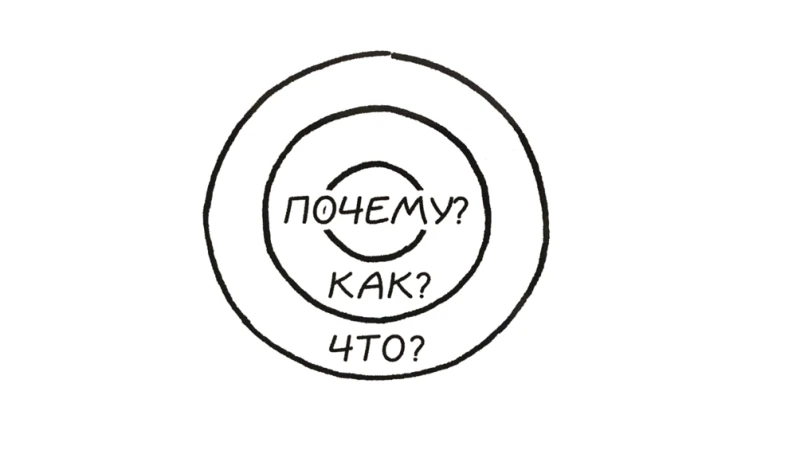
Simon Sinek’s Golden Circle explained with an example
Distinguish purpose, working principles and an offering, then check whether they fit together