How to work through obstacles to your goals
Identify missing resources, outside dependencies and recurring difficulties


The takeaway
Name the action that cannot happen and identify what is missing. Separate your own steps from outside dependencies, choose a response and set a point for reviewing the plan.
When progress towards a goal stops, identify the specific obstacle: which action cannot happen and what is missing? Separate what you can change from outside dependencies. Choose one next step and a condition for reviewing the plan. More self-discipline is not the right response to every kind of delay.
Describe the blockage without judging yourself
Imagine preparing a portfolio for a job application. The task has not moved for two weeks. “I'm lazy” does not explain what happened. A more useful description is: “I haven't selected two projects that I can show without exposing restricted information.”
Recall your last attempt. At which action did you stop? Were you dealing with an unclear requirement, insufficient time, missing access or an uncomfortable conversation? Several obstacles can exist together. Start with the one that directly blocks the next step.
Match the response to the obstacle
For the portfolio example, this table is a working aid. It does not assess your personality or replace a closer look at the circumstances.
| The obstacle | What to check first |
|---|---|
| You do not know what to include | Compare the role's requirements with the examples available |
| You lack permission to share material | Request approval or choose a public practice example |
| You lack a presentation skill | Study one example and make a draft page |
| Available time is insufficient | Reduce scope, revise timing or agree how to free up time |
| You postpone showing a finished draft | Prepare a small feedback request for someone you trust |
If the work depends on permission, adding more working hours may not help. If a skill is missing, “be more confident” does not explain how to proceed. Respond to the cause you have identified. If asking for feedback is the difficulty, begin with preparing a conversation about your draft.
Distinguish your action from someone else's response
You can request permission to use a project, but you cannot decide when another person will grant it. Record who owns the dependency, any agreed response date and a feasible fallback. For the portfolio, that might be a different project whose information can be published.
Necessary spending, health, caring responsibilities and working conditions can also constrain a plan. They are not evidence of inadequate motivation. Sometimes the useful next step is to request help, reduce a commitment or postpone it. When making a decision under changed conditions, record the options and the criterion you will use to choose.
Prepare a response to a recurring situation
Once an obstacle is clear and within your influence, try linking the situation to an available action. For example: “If I start endlessly changing the layout, I return to the required-information checklist and complete one item.” The response should describe something you can actually do.
A 2021 meta-analysis found a small-to-moderate average effect on goal attainment from combining mental contrasting with if–then planning. The authors note that publication bias may inflate the estimated effect. This approach does not remove external constraints or guarantee an individual's outcome.
The if–then planning examples can help you choose an observable cue. Start with one recurring situation so you can see whether the wording is usable during real work. If it calls for time or resources you do not have, revise the response before treating it as a commitment.
If several obstacles recur and you have records, the Pareto principle can frame a question about where the problem is concentrated. Compare observations first; the share of cases does not replace an assessment of urgency and consequences.
Set a point for reviewing the plan
For the portfolio, the next steps might be to select two usable projects today and draft the first page tomorrow. The check is whether a draft exists and contains enough information for discussion. If approval has not arrived by the agreed date, switch to the fallback or revise the deadline.
After the attempt, decide what to continue, change or stop. Preserving a goal at any cost is not mandatory: new information can change its value or feasibility. Use the goal-and-next-action workflow to record the decision so your task list reflects current conditions rather than an outdated plan.
How was the article?
One tap helps us understand what you find useful
Discussion
Sign in with an email code to comment and like articles. We’ll bring you straight back here
Sign in to join the conversationComments: 0
It’s quiet here. Be the first to share your experience.
-

Why your to-do list grows while your goals stand still
Turn a busy to-do list into progress with a simple audit, one realistic next action and a weekly review
-

Why, How and What: a worksheet for one goal
A conversation-club example for connecting purpose, working conditions and the next action
-
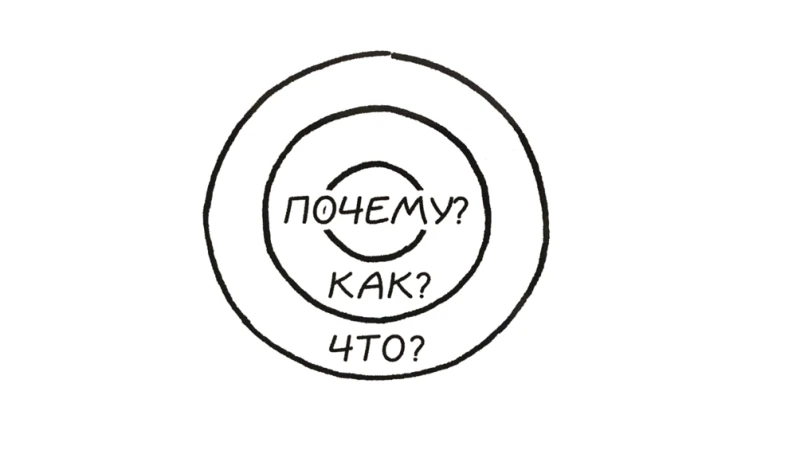
Simon Sinek’s Golden Circle explained with an example
Distinguish purpose, working principles and an offering, then check whether they fit together