Simon Sinek’s Golden Circle explained with an example
Distinguish purpose, working principles and an offering, then check whether they fit together

The takeaway
Separate purpose, working principles and a concrete offering. Check them against actions; the framework can organise discussion but does not establish demand or success.
Simon Sinek’s Golden Circle is a framework for explaining work through Why, How and What. It can structure a discussion of purpose, working principles and a concrete offering. A persuasive explanation does not, by itself, establish demand, product quality or a project’s feasibility.
Separate purpose, approach and offering
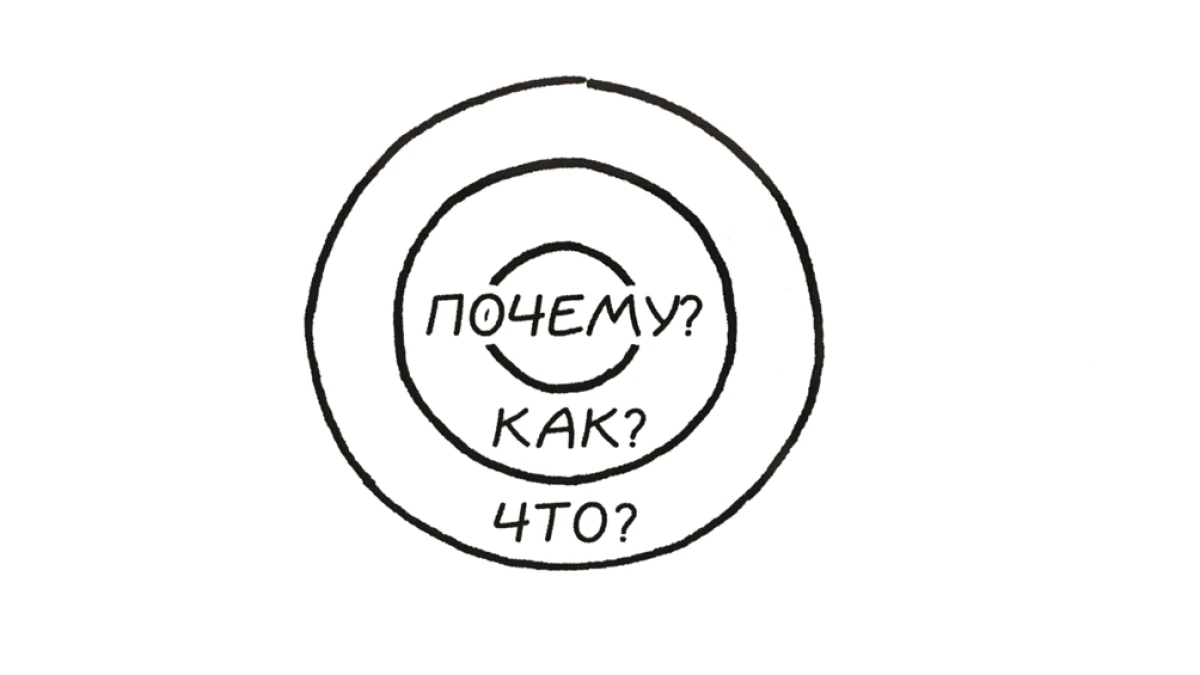
In Sinek’s explanation, Why refers to purpose or belief, How to the actions that express it, and What to products, services or work. Three concentric circles represent the model, with communication moving from purpose towards the specific offering.
We will use a fictional repair workshop to examine those distinctions. This is an editorial example, not a company case study demonstrating the framework’s effectiveness. The task is to check whether the answers fit together, rather than to attribute success to a polished statement.
Separate purpose from a result you intend to reach. “Open a second workshop” could be a project outcome. “Help people keep using familiar belongings for longer” is one explanation of why the work matters. They answer different questions.
Write a Why that goes beyond a broad slogan
Instead of “Make the world better”, identify whose situation the work concerns. For the workshop, it might be someone who wants to keep a familiar object but does not know whether it can be repaired.
Test the statement against a small, realistic decision. If the purpose concerns keeping objects in use, would the workshop explain honestly when a repair is not worthwhile? If the statement changes no decision, it needs more thought.
A personal project does not require you to declare a lifelong calling. You can explain the present meaning of a specific undertaking. The separate guide to finding your why for a goal explores that question.
Describe How as observable behaviour
“Quality and care” are difficult to assess without an explanation. More tangible actions in our example would be explaining options before repair begins, agreeing on the scope of work and showing what has changed afterwards.
Choose a few principles and name a situation in which each should be visible. If understandable communication matters, a customer should receive an explanation in familiar language. If transparency matters, significant limitations should be explained before work is agreed.
A project schedule is not the same as a working principle. “Find premises in October” belongs to organising the project. “Discuss limitations before starting work” describes an approach that should appear across different orders.
Make the What concrete enough to understand
Name something a person can actually receive: an inspection, an agreed repair or an explanation of available options. “We create new possibilities” leaves the reader to guess the practical offering.
| Level | An illustrative answer |
|---|---|
| Why | Help people keep using familiar belongings for longer |
| How | Explain options and limitations before work starts |
| What | An inspection and an agreed repair of a particular item |
Ask someone who did not write the description to explain what is offered. If they can repeat only a broad slogan, add detail. A text-based prototype of the offer may be enough to check whether the wording is understood.
Check consistency and recognise the limits
Compare the three answers with actions. What supports the claimed approach? Where does the offering contradict it? In the workshop example, promising an understandable choice would conflict with refusing to explain limitations.
Use the framework to organise discussion. It does not tell you how many orders will arrive, whether people will pay or whether the necessary resources are available. Those questions need separate observations, calculations and checks, rather than a more inspiring Why.
To move from explanation to action, try the three-question goal worksheet. A useful outcome is an understandable purpose, recognisable principles and a concrete next step, rather than a promise of guaranteed success.
How was the article?
One tap helps us understand what you find useful
Discussion
Sign in with an email code to comment and like articles. We’ll bring you straight back here
Sign in to join the conversationComments: 0
It’s quiet here. Be the first to share your experience.
-

Why your to-do list grows while your goals stand still
Turn a busy to-do list into progress with a simple audit, one realistic next action and a weekly review
-

Why, How and What: a worksheet for one goal
A conversation-club example for connecting purpose, working conditions and the next action
-

Affirmations and visualisation: what the evidence says
Compare positive statements, values reflection and mental rehearsal, with research limitations and an example of an actionable plan