Why, How and What: a worksheet for one goal
A conversation-club example for connecting purpose, working conditions and the next action


The takeaway
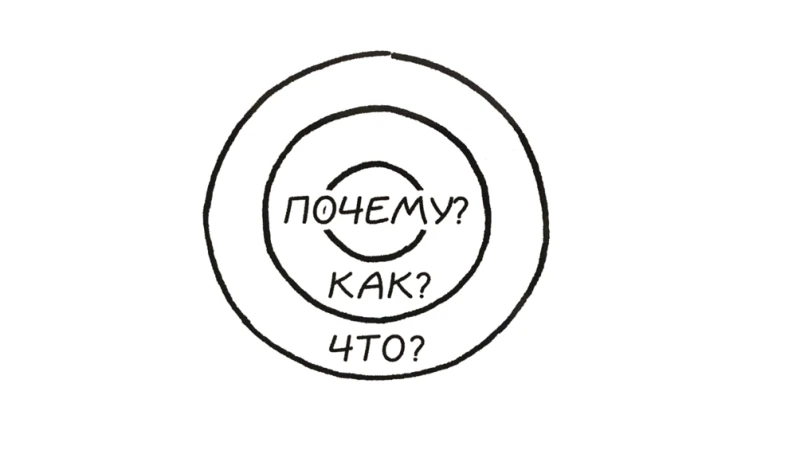
Write why the goal matters, how you intend to work and what should result. Check resources separately, then choose a next action and a time to reconsider the plan.
Three questions can help you examine a project: why does this goal matter, how do you intend to work, and what will result? Write separate answers and choose the next action. Keep checking time, resources and circumstances as well. A meaningful goal may still need to change.
Select one goal to examine
This is an editorial planning exercise, not an official assessment or a test of motivation. In Simon Sinek’s framework, How describes principles that express a purpose. Here, we also translate those principles into the conditions of a specific project.
Consider a fictional example: someone wants to organise a small conversation club for language practice. At this stage it is an idea. There is no need to plan a network of clubs or promise that participants will achieve a particular language level.
The first goal might be “Prepare and run one trial meeting”. That scale allows a decision without turning it into a commitment for years. If the idea is complex, first separate a manageable outcome.
Explain why this goal matters to you
Write what you want to change in your present situation. In our example: “I lack regular speaking practice and want to try meeting other learners”. This gives you something more concrete to consider than “Become my best self”.
Next, distinguish the desired change from the chosen method. Starting a club is only one possibility. You could join an existing group, practise with a partner or attend an open meeting before deciding to organise anything.
If the purpose is unclear, collect observations: which activities interest you, what seems missing and what commitments you would accept. The guide to finding your why for a goal offers further questions. Lacking a polished statement is not a reason to dismiss an interest immediately.
Translate your approach into working conditions
Describe how you want to work with participants. You might explain the format in advance, give everyone an opportunity to speak and accommodate different levels of experience. Then identify what would be needed to make those principles visible.
For a first meeting, that might involve an agreed small group, a clear discussion topic and a time that people can actually make available. If a venue or facilitator is still missing, record an open question rather than treating that part of the plan as settled.
Include your own boundaries: how much preparation you can take on, who can help and what you are not yet offering to do. There is no universal time allowance to follow. The agreement needs to reflect people’s actual availability.
Define the outcome and next action
Describe an observable result for the first attempt: a meeting takes place in the agreed format, participants can try it and they provide feedback. That does not promise language improvement or demonstrate that a permanent club will be viable.
| Field | An example entry |
|---|---|
| Why | Try conversation practice with other learners |
| How | Explain the format beforehand and make room for every participant |
| What | Run one agreed trial meeting |
| Next action | Send interested people the proposed format and ask about available times |
If a date is needed, agree on it after checking availability and then add it to the plan. The difference between an outcome and the next task is covered in the guide to goals, tasks, projects and habits.
Choose when to reconsider the plan
After the trial, compare expectations with observations. Was the activity understandable? Did people have room to speak? What preparation did the format actually require? Discuss the answers without needing to defend the original idea.
The next step could be another meeting with an adjustment, joining an existing group or postponing the organising work. Changing the method does not necessarily mean abandoning the purpose that led you to begin.
Keep a short record: the goal, three answers, open questions, next action and review date. If preparation stalls, identify the missing decision or resource. Revisiting Why helps when the difficulty concerns purpose; it cannot supply a missing venue or resolve an unagreed schedule on its own.
How was the article?
One tap helps us understand what you find useful
Discussion
Sign in with an email code to comment and like articles. We’ll bring you straight back here
Sign in to join the conversationComments: 0
It’s quiet here. Be the first to share your experience.
-

Why your to-do list grows while your goals stand still
Turn a busy to-do list into progress with a simple audit, one realistic next action and a weekly review
-
Simon Sinek’s Golden Circle explained with an example
Distinguish purpose, working principles and an offering, then check whether they fit together
-

Affirmations and visualisation: what the evidence says
Compare positive statements, values reflection and mental rehearsal, with research limitations and an example of an actionable plan