Intrinsic vs extrinsic motivation: differences and examples
Interest in the activity, valued outcomes, incentives and expectations


The takeaway
Intrinsic motivation concerns the activity itself; extrinsic motivation concerns a separate outcome. Personally valued reasons can also be extrinsic, and several motives can coexist.
Intrinsic motivation means interest in the activity itself. Extrinsic motivation concerns an outcome that is separate from doing it. Extrinsic reasons can include personally endorsed value as well as rewards or pressure, so asking whether motivation comes “from inside or outside” can miss an important distinction.
Compare reasons for the same action
In their 2000 paper, Ryan and Deci distinguish doing an activity for its inherent interest from doing it for a separate consequence. They also describe extrinsic motivation as a varied category.
Consider these illustrative reasons for learning a language. They do not describe fixed types of people: someone may recognise several reasons at once.
| Reason to practise | What it focuses on |
|---|---|
| I enjoy exploring how sentences work | The activity itself — intrinsic motivation |
| I need an exam result for an application | A separate outcome — extrinsic motivation |
| I want to speak with relatives without an interpreter | A personally meaningful outcome — also extrinsic motivation |
| I am afraid of looking less capable than people I know | Avoiding an uncomfortable judgment of myself |
The last reason may feel intensely personal without making the activity enjoyable. Naming the actual reason is more useful for choosing your next step than assigning it a favourable label.
Separate personal value from enjoyment
In their 2020 review, Ryan and Deci describe autonomous forms of extrinsic motivation in terms of endorsing an activity's value. These differ from intrinsic motivation: a person can regard an action as worthwhile even when doing it is not enjoyable.
For example, speaking with family may matter to you while a particular grammar exercise feels dull. You can look for a suitable learning method without expecting to love every task. Check whether the exercise serves your purpose and how you will tell whether it helps.
If the outcome's importance is unclear, use our exercise for finding your why. To compare classes, independent practice and support from a teacher, see our guide to learning formats.
Allow for several motives at once
You can enjoy language games, want an exam result and value communication. Make three lines in your notes: what attracts you to the activity, what outcome you need and what pressure you experience. An obligation does not erase interest; interest does not remove the need for a workable schedule.
Then identify the specific difficulty. If the tasks are uninteresting, discuss their content. If exam requirements are unclear, find out what they are. If the workload will not fit your week, revisit the plan. A bigger reward does not automatically answer each of these different questions.
Consider incentives alongside the quality of the outcome
A 2014 meta-analysis by Cerasoli and colleagues supports considering intrinsic motivation and incentives together: they are not necessarily opposing forces. In the analysis, intrinsic motivation better predicted performance quality, while incentives better predicted quantity. These are differences in research relationships, rather than a ready-made reward system for every task.
For your own plan, check what you are rewarding. Tracking only minutes of study can produce a completed quota without showing that you can communicate the intended idea. Add an outcome check: for example, ask a conversation partner to explain what they understood from your account.
Pay and responsibilities at work need their own agreements; interest in a profession is not a reason to ignore those arrangements. For an optional personal project, choose encouragement that does not create unaffordable costs or turn each imperfect attempt into a punishment.
Choose support for the next task
Write four answers: what you want to do, why it matters, what gets in the way and what support you will try. Support could mean an example, an explanation, a manageable scope or shared practice. You do not have to start by searching for a stronger incentive.
To revisit interest in the process, use our guide to supporting intrinsic motivation. If you have decided to continue but struggle to organise the action, explore self-discipline and workable conditions. After the attempt, check whether the task became clearer and whether it produced the result you needed.
How was the article?
One tap helps us understand what you find useful
Discussion
Sign in with an email code to comment and like articles. We’ll bring you straight back here
Sign in to join the conversationComments: 0
It’s quiet here. Be the first to share your experience.
-

Why your to-do list grows while your goals stand still
Turn a busy to-do list into progress with a simple audit, one realistic next action and a weekly review
-

Why, How and What: a worksheet for one goal
A conversation-club example for connecting purpose, working conditions and the next action
-
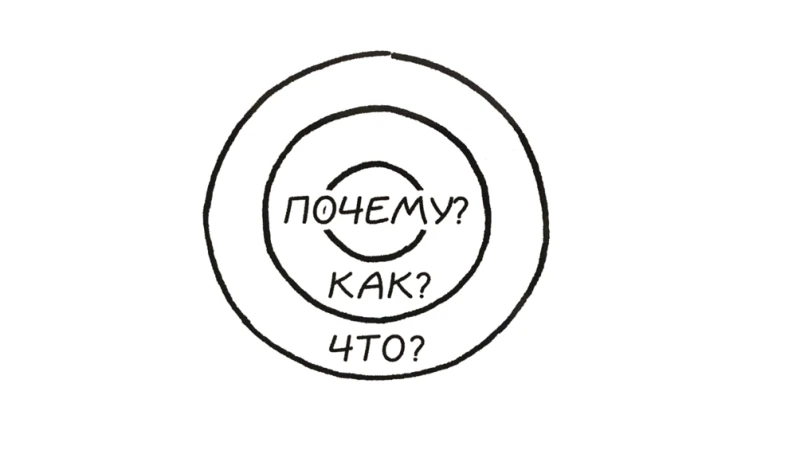
Simon Sinek’s Golden Circle explained with an example
Distinguish purpose, working principles and an offering, then check whether they fit together